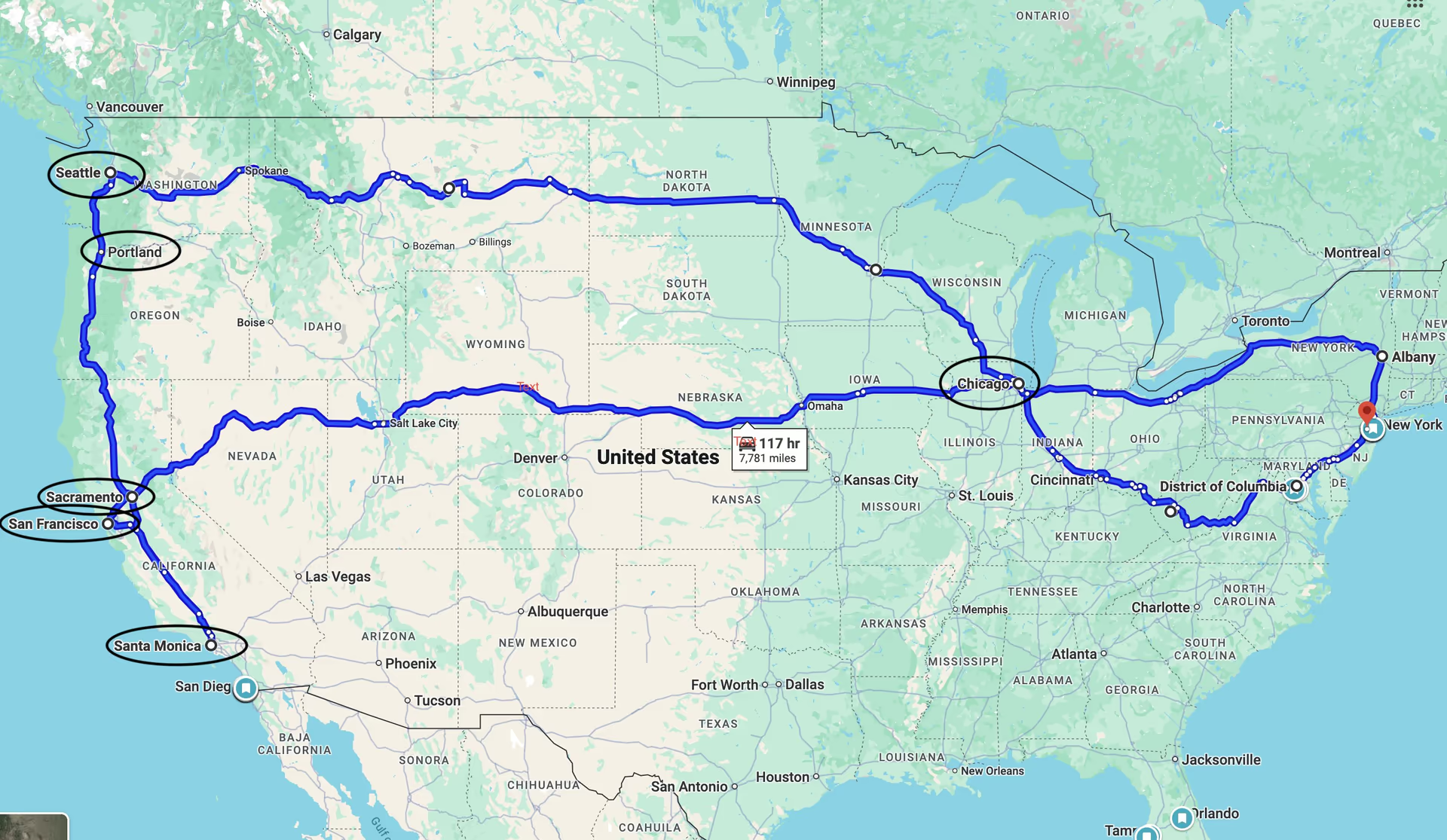
Wednesday was the big park-driving day: Gatlinburg to Newfound Gap, Kuwohi, Cherokee, and then back to town for a Gatlinburg SkyPark evening that became one of the most beautiful memories of the trip.
Across the Park
The road from Gatlinburg toward Cherokee is one of the essential Smokies experiences because it makes the park feel like a crossing, not just a set of separate stops. The elevation changes, the forest changes, and the overlooks turn the drive into a slow reveal.
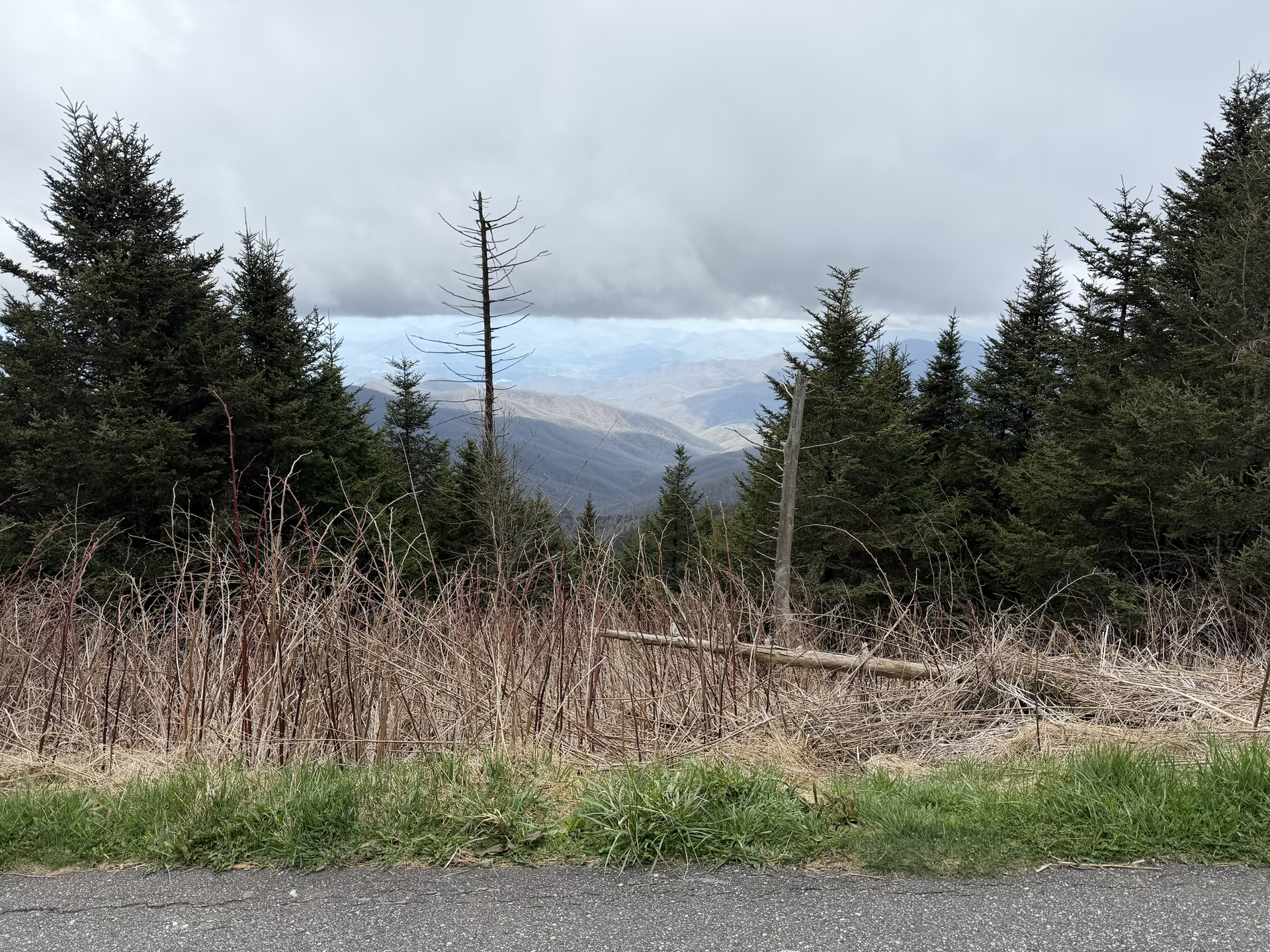
Newfound Gap is the natural pause in the middle of that crossing. It sits on the Tennessee and North Carolina line, and even when the parking area is busy, the view has enough scale to absorb the crowd. It is one of those places where the Smokies name makes sense: ridges layered into distance, softened by air and weather.
The drive itself carried the day. This was not a route where the destination alone mattered. Curves, pull-offs, tree lines, changing light, and sudden views made the road feel like part of the park rather than a way through it. In a family car, that means the day unfolds in pieces: someone points out a view, someone asks when we are stopping, someone takes a photo through the window, and everyone slowly feels the elevation change.
Newfound Gap worked because it gave that drive a middle chapter. It was busy, but not in the same way downtown Gatlinburg was busy. The crowd was there for the view, and the view was large enough to make the parking lot feel temporary. The mountains stretched in layers, and the air had that high-pass feeling where the weather seems closer.
From there, the day continued toward Kuwohi, the restored Cherokee name for the mountain formerly known as Clingmans Dome. Using the current name matters. It is not just a label change on a map; it is part of how the place is being publicly understood now.
Kuwohi
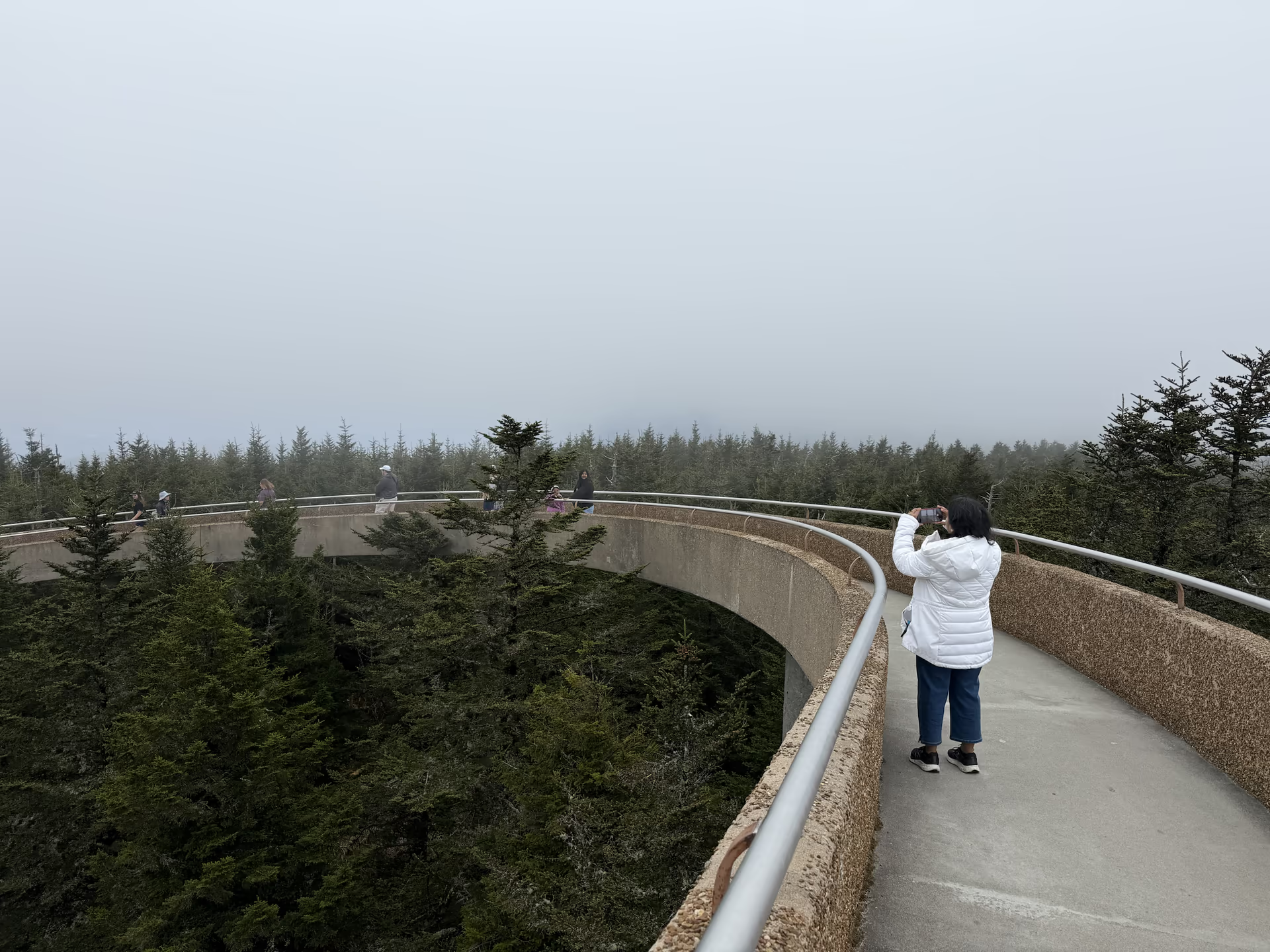
Kuwohi feels different from the lower parts of the park. The air, the road, the trees, and the exposure all make it clear that this is a high-elevation place. Even before the observation tower, the approach has a sense of leaving the regular park road behind.
The tower path is simple in shape but demanding enough to slow everyone down. Families climb at different speeds. People stop, breathe, look back, and continue. At the top, the view is the reward: the Smokies not as one mountain but as a whole field of ridges.
The climb to the observation tower is short on a map and longer in the body. It is paved, direct, and honest. You can see people ahead of you doing exactly what you are doing: walking, pausing, breathing, smiling at how much effort a simple-looking path can require. That shared effort gives the place a social feeling without taking away from the landscape.
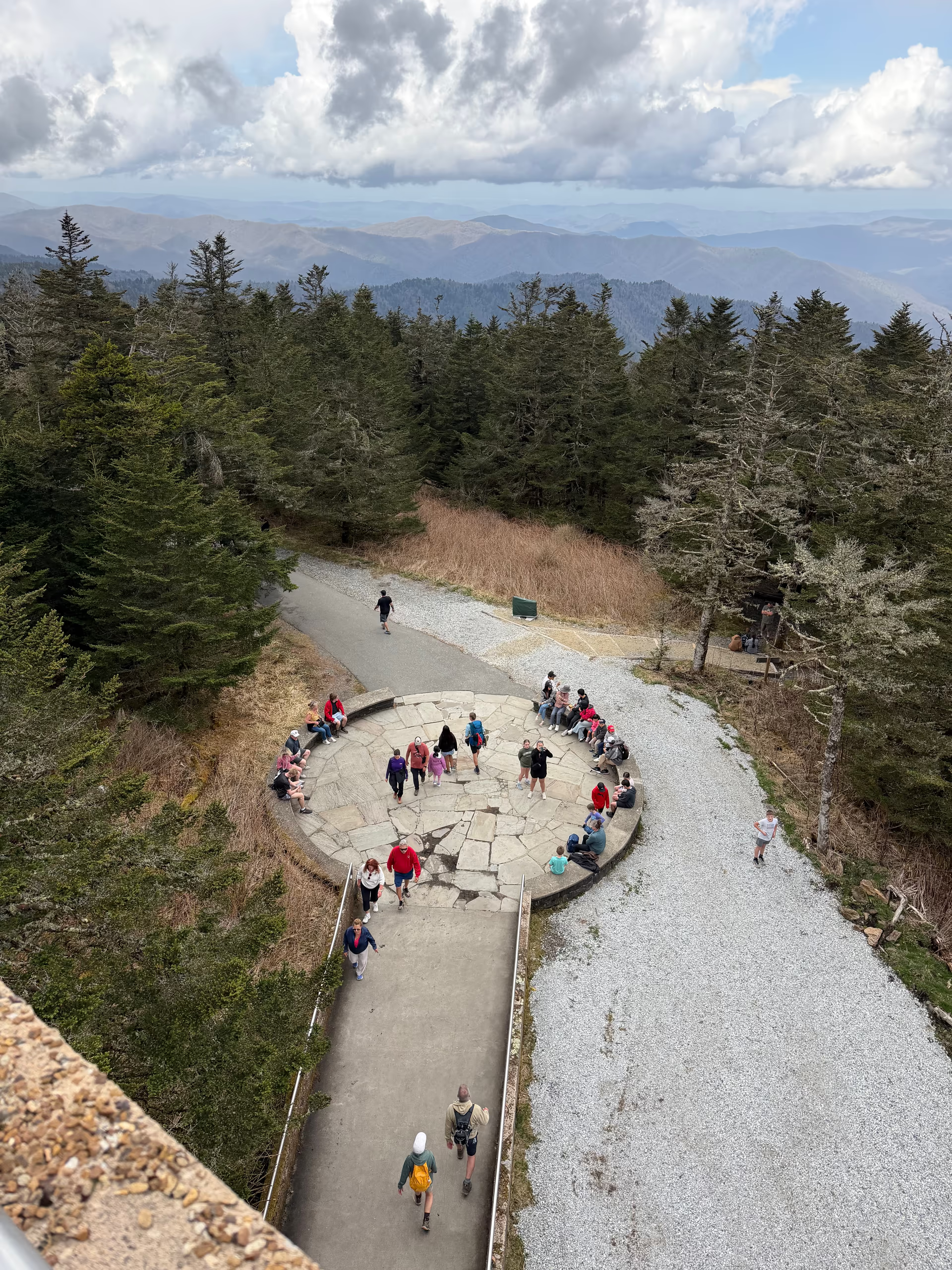
At the top, the view is not a sharp Western panorama of desert cliffs or snow peaks. It is softer and more atmospheric. The Smokies spread in waves. The ridges repeat until they disappear into haze and cloud. That makes the view harder to capture in one heroic photograph, but easier to feel as a mood. The mountain does not shout. It surrounds.
After Kuwohi, Cherokee gave the day a different cultural and geographic marker on the North Carolina side of the park. The trip was not only about Gatlinburg as a base; it was also about understanding that the Smokies sit between communities, histories, and routes.
Cherokee also made the crossing feel complete. We had not simply gone up and back from Gatlinburg. We had crossed over the park, touched the North Carolina side, and returned with a wider sense of where the Smokies sit. For a family trip, that geographic variety matters. The day felt bigger because the map had expanded.
Gatlinburg SkyPark at Night
The evening returned to Gatlinburg for Gatlinburg SkyPark. This was separate from the Ober Mountain day and had a different mood: less activity pass, more elevated evening viewpoint.
After the park road and Kuwohi, SkyPark turned the mountains back into a town experience. Lights below, pedestrians around, a high view over Gatlinburg, and the sense that the same landscape could be approached in completely different ways within one day.
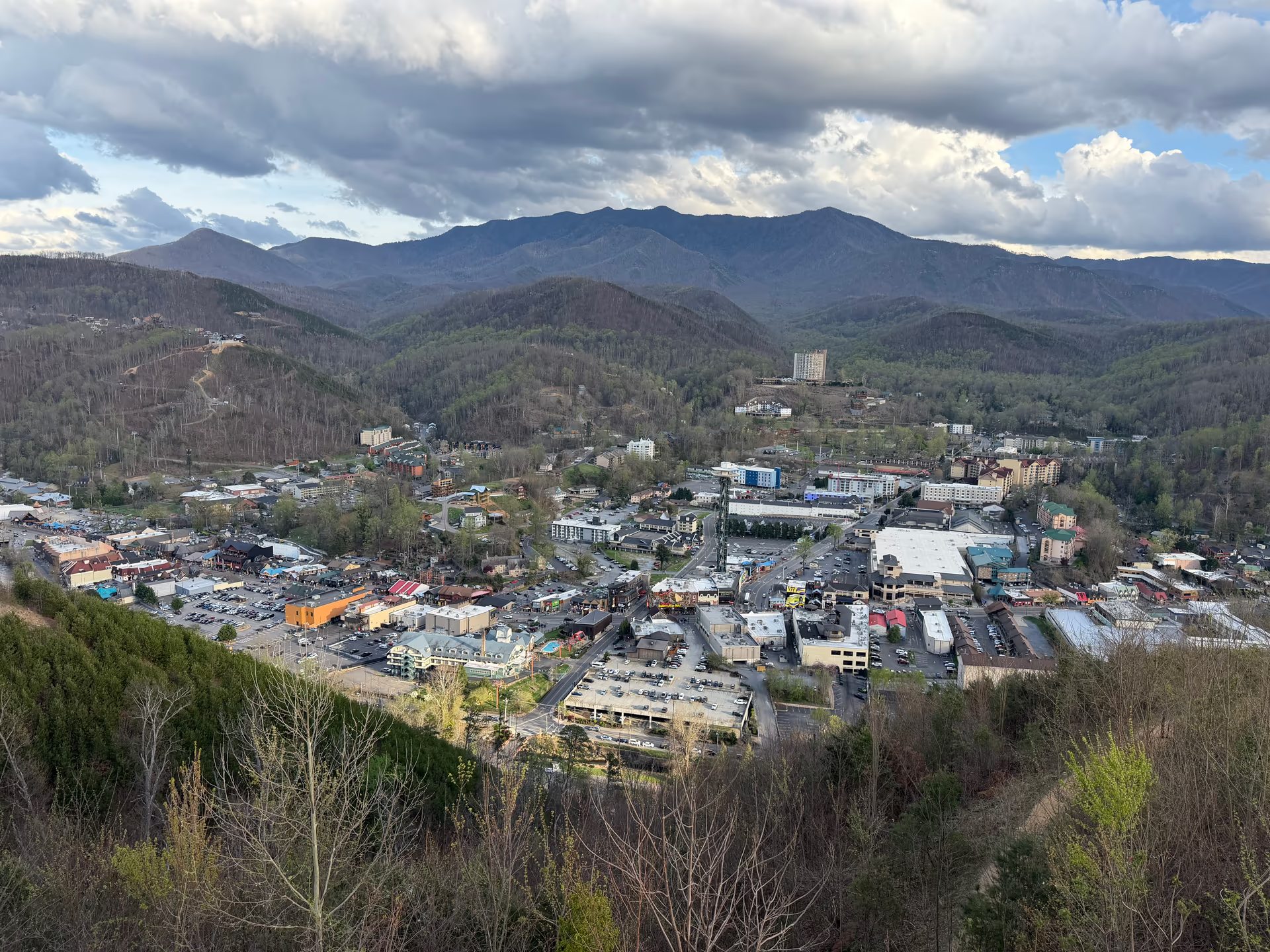
This is the part of the day that deserves more space, because SkyPark was not just a quick evening stop. Gatlinburg looked beautiful from above. The town that feels crowded and loud at street level became a glowing valley scene when seen from the SkyPark side. The same traffic, buildings, and attractions softened into lights, lines, and movement.
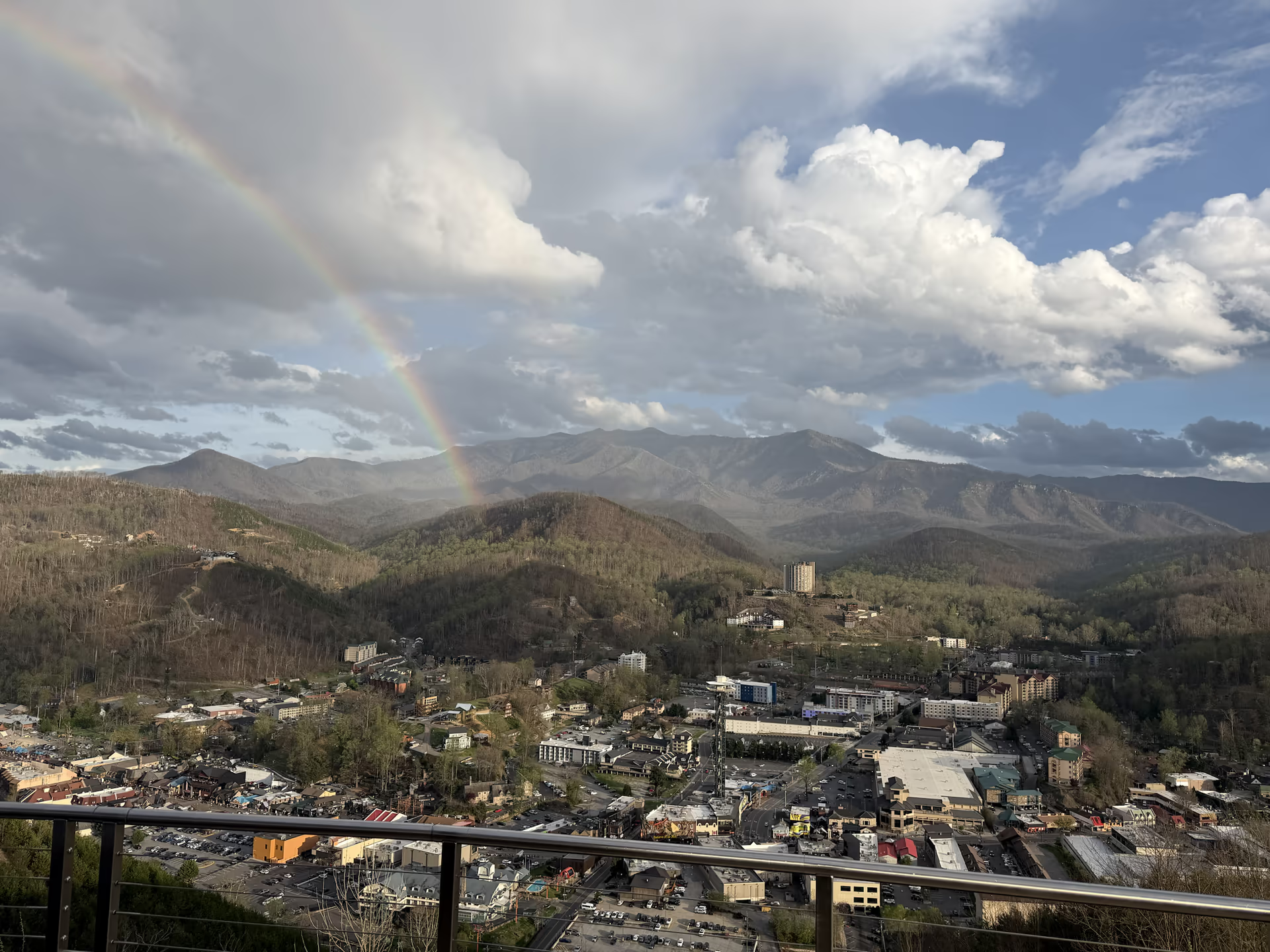
We arrived while there was still daylight, which made the evening feel like a slow transformation instead of a single view. At first the mountains and town were visible in ordinary late-day color. Then the light began to thin. The ridges grew darker. The town lights became more important. The sky changed, and the whole valley shifted from daytime detail into evening atmosphere.
Then came the rainbow. It was one of those unexpected travel moments that immediately changes the mood of a place. A rainbow over Gatlinburg from that height made the scene feel almost staged, except it was not. Everyone notices something like that at once. People point, phones come out, and for a few minutes the whole overlook shares the same surprise.
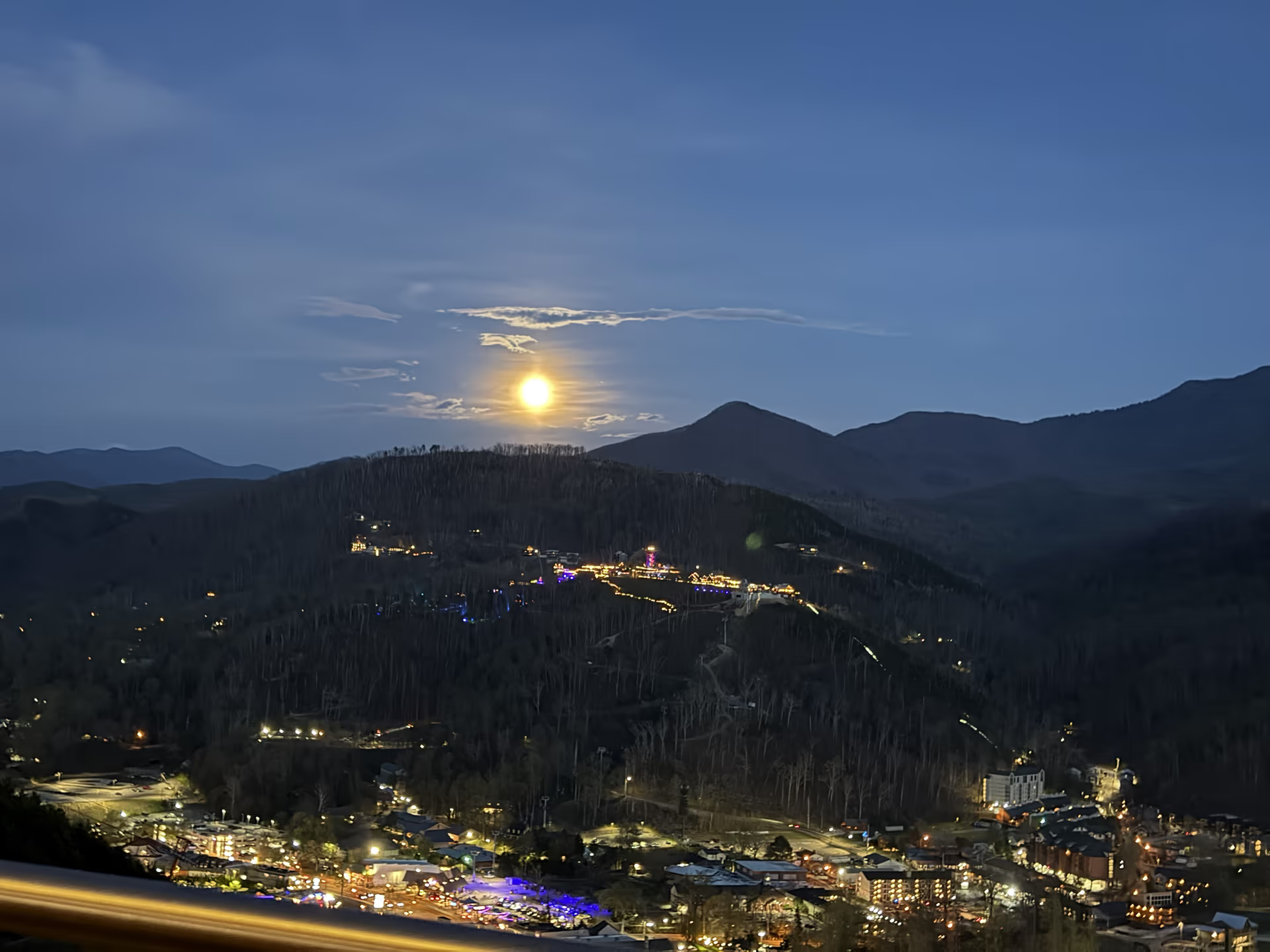
As evening deepened, the full moon became part of the view. That changed the scene again. Daylight had turned into a full-moon night, and Gatlinburg below was glowing while the mountains held their dark shape around it. The bridge, the lights, the moon, the town, the last color in the sky - it was beautiful in a way that felt specific to that evening, not just to the attraction.
The SkyPark bridge also had a different personality after dark. In daylight, it is an elevated structure and a viewpoint. At night, with the lights around it and the town below, it becomes part of the scene. Walking it is less about crossing and more about looking: down at Gatlinburg, out toward the mountains, back toward the changing sky.
- Use Kuwohi for the mountain formerly known as Clingmans Dome.
- Keep Newfound Gap, Cherokee, and Gatlinburg SkyPark separate in the chronology.
- Do not mix Gatlinburg SkyPark with Ober Mountain Adventure Pass activities.
This was probably the most complete Smokies day of the trip: road, overlooks, high point, Cherokee, and Gatlinburg at night.
It was also one of the busiest days emotionally. The morning and afternoon had the seriousness of the national park: road, elevation, Kuwohi, Cherokee, weather, and scale. The evening had the joy of Gatlinburg from above: rainbow, bridge, full moon, lights, and the town becoming beautiful in a completely different way.
That combination is what made the day memorable. We did not have to choose between the park and the town. We crossed the park in daylight and watched Gatlinburg turn into a full-moon night from SkyPark. That is not a light day. That is the kind of day that explains why the whole trip worked.
Part Six goes to Lynn Camp Prong Cascades near Tremont, then back to downtown Gatlinburg and Arcadia at the Gatlinburg Space Needle.
Community Thoughts
Loading comments...